













The end of the era of lone wolves: this is how a collaborative strategy can improve your sales
Usually, we see in many companies and even in films and series, a wrong approach to sales. Or, at the very least, not as effective as it could be. This is: the figure of the lone salesperson.
In a recent webinar by Allego, Craig Simons, director of Revenue Engineering, spoke about the need to leave behind the “lone wolf” sales culture. Now, what does this mean exactly?
The lone wolf in this new context
A concept that is currently very much in vogue in sales departments, and that gained strength in 2022 after the pandemic, is “do more with less” (do more with less).
Of course, efficiency is not a button that can be pressed just like that. But there are strategies that we can implement and that can help us sell more intelligently to increase efficiency. And all of this starts with having the right approach.
Usually, we see that excessive importance is given to individual sales quotas, or that the figure of the salesperson is understood - we see this especially in television culture - as a person with a lot of personality, even a difficult character, who acts on their own account and often has a competitive mindset.

Although, of course, the individual characteristics of our salespeople are very important, in this new context of “do more with less” this lone wolf perspective does not work.
As Craig Simons explained, creating a collaborative culture, which prioritises much more than meeting individual quotas, is key to improving sales.
Benefits of teamwork
You may be wondering whether it is a good time to move from an approach of individual quotas and competitiveness to an approach of active collaboration. Here we present some benefits of this change of approach so that you can assess whether it is what your company needs right now:
1. It improves the onboarding process
One of the best ways to learn in a company is to take on the role of teacher. If there is a collaborative network in your company, more experienced salespeople can pass on their knowledge to other salespeople on a daily basis.
This, on the one hand, helps new team members to have a process of onboarding smooth. Furthermore, having to participate in the training of colleagues makes more experienced salespeople adopt a more critical attitude towards their work.
In this way, not only is best practices of sales passed on to new salespeople, but there is greater awareness of how they can be enhanced and improved.

2. Errors are reduced
If your sales team has solid and constant communication, you will see a reduction in errors. On the one hand, because there are more possibilities of detecting errors promptly. And, on the other, by sharing the possible problem among the whole team, its impact is minimised, and all team members can learn from it to prevent it from happening again.
As a result, the resolution is faster, which also allows unnecessary work to be saved for the Administration and Finance.
3. Greater knowledge about the state of sales
In the webinar, Craig Simons emphasised the concept of seeking a way of working «crowdsourced«. The concept, which translated from English would mean «originating from the crowd», refers to the processes and decisions of the company coming from the whole group.
A sales strategy is much more effective if it is crowdsourced and takes into account the sales results of all commercial interactions. Traditionally, each salesperson filled in the CRM manually according to their subjective perception of the visit with the client. A constant collection of information
If the information received by management is crowdsourced, this will be much more representative of the reality of sales.

4. Unified customer experience
In a recent interview by CatalogPlayer with Customer Journey expert Toni Seijo, he explained that it is essential to ensure a «seamless« customer experience, that is, without seams.
Of course, a more cohesive team, with access to the same content, facilitates a more unified customer experience, from the first contact with the brand to after the purchase. This also makes it easier to detect opportunities for upselling and cross-selling.
Collaborative sales strategies
So, how can we promote a philosophy of collaboration in the sales team that brings us these advantages?
In general, there are two ways to effectively transform the company's sales culture: promoting commercial empowerment and improving communication. But let's be more specific. Here are some keys to improving sales through team collaboration:
Digital adoption
As we have seen, the key to making a shared company philosophy feasible, or, as we said crowdsourced, lies in new technologies.
For software to be beneficial for a company, it is essential that it is actually used by workers. Therefore, opt for an integrated solution that offers your salespeople everything they need to go out and sell from one place.
If the whole team has the same solution and uses it daily, it is much easier for a collaborative dynamic to develop.
Omnichannel
Nowadays, both management and the sales team can receive relevant information from many different channels: email, WhatsApp, video calls, in-person visits…

All of these are potential sales and opportunities to capture leads, but only if the channels are managed correctly.
To ensure effective teamwork, companies must leave multichannel behind and opt for omnichannel. While the former consists of a company's ability to have several channels, the latter also implies that all channels are interconnected and form part of the overall customer experience.
Thus, omnichannel greatly reduces the possibility of losing relevant information or having incorrect information.
Aligned sales pitch
It is common, especially in large B2B companies, for each salesperson to use a different pitch to sell. This can confuse the customer and affect sales.
In this sense, omnichannel can be of great help. It is important that the company commits to consistency in the sales pitch, which can be achieved by developing a solid sales argument and making it accessible to the whole team.
On the other hand, we must not lose sight of the importance of personalising the Customer Journey. Again, it is key to have the right digital tools to be able to offer a sales pitch that is aligned and at the same time segmented according to the customer. In this case, the key lies in optimising access to content.
Coordination between Marketing and Sales
An effective way to boost sales team collaboration is also to ensure that there is alignment with the marketing team.
Studies show that only 20% of the content generated by marketing is actually used by the sales team.
To improve this situation, consider committing to an integrated Sales Enablement platform.
A platform integrated with other company tools, accessible to different departments, allows for a fluid exchange of information between Marketing and Sales. This allows marketers to design more effective content, based on real data about commercial interactions. And in turn, the sales team can benefit from the content generated by Marketing and show it to the customer through the platform.
Sales Enablement platform
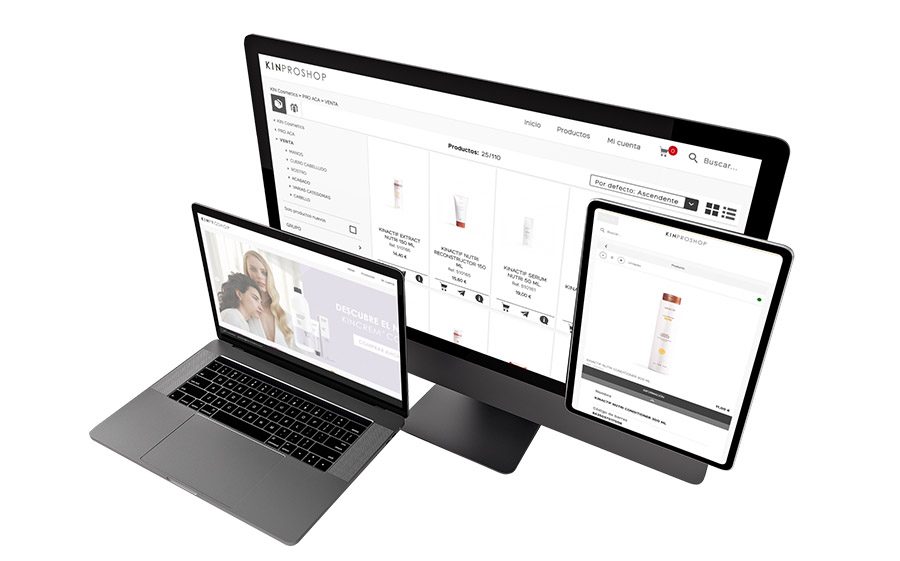
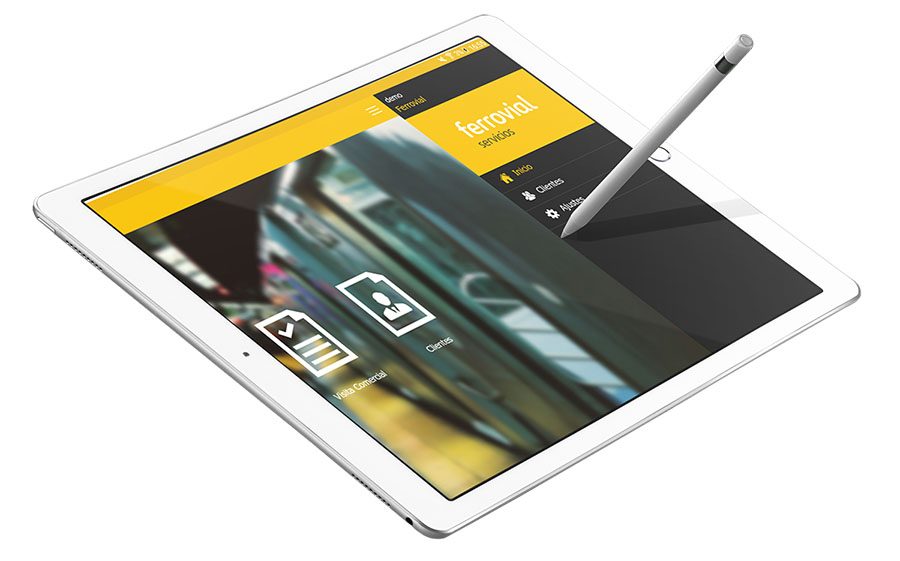
The CatalogPlayer platform allows you to promote collaborative work in your company with a double benefit. On the one hand, the integration of channels facilitates fluid communication between team members and between departments. On the other hand, through a visual and intuitive format, commercial content is easily accessible to all team members. This includes both the product catalogue and other content that may be useful for sales: presentations, success stories, videos, metrics, etc.
The constant collection of information on all commercial actions -before, during and after visits- and the ease with which they can be used at any time and place by salespeople, allows us to prioritise collaboration in a truly effective way, with a solid foundation.