







The upselling and cross-selling are two terms that have been booming in the world of sales for years, both B2C and B2B. These are two marketing techniques that have become key to increasing sales profit, and especially to succeeding in virtual environments, but also in face-to-face sales.
Characteristics of upselling and cross-selling
Upselling
We can understand upselling as a strategy through which the aim is for the customer to purchase a higher-priced product than the one they were initially going to buy. In other words, greater profit is achieved by getting the user to buy a higher-value product, or the same product but with upgrades.
A very common case of upselling can be seen in the sale of mobile phones. When the user decides on a phone with 64GB of RAM, they are offered, for a higher price, an upgrade to 128GB or 264GB.
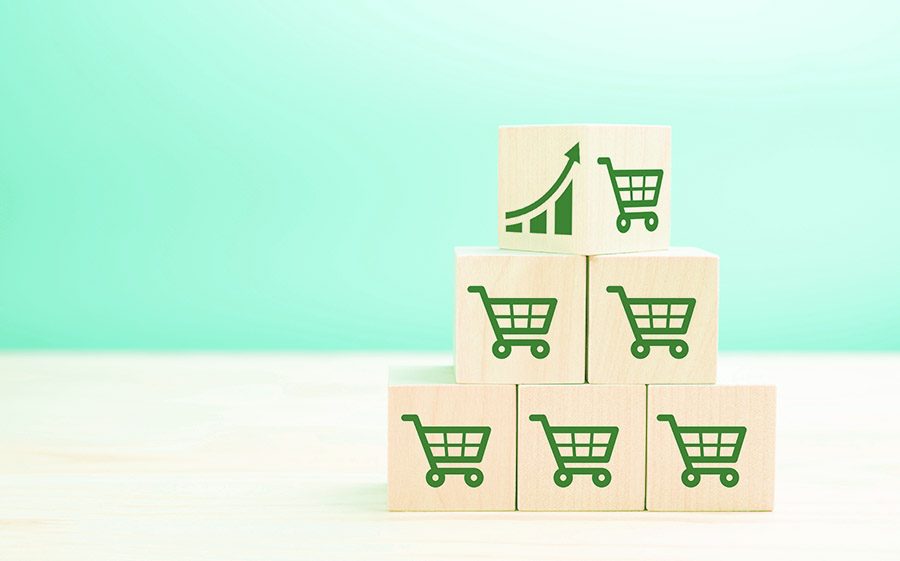
On the other hand, if when the buyer already has the phone in their cart - physical or virtual - they are convinced to purchase a case, screen protector and/or charger, we are talking about another strategy: cross-selling.
Cross-selling
The cross-selling, translated as “venta cruzada”, is a strategy that consists of making an additional sale of complementary products based on the product that the customer is going to purchase or has already purchased in the past.
The particularity of cross-selling is that it is not simply about selling multiple products at once, but about offering the buyer something that may genuinely interest them to complement their purchase and thereby achieve, in addition to greater profits: a satisfactory customer experience.
Here's an example:
To understand these two concepts with an example, imagine you go to a fast-food establishment. You want to buy the medium meal, but you see that “you can make it large for just €1 more”; this would be a strategy of upselling. On the other hand, the restaurant may offer you “add an ice cream to the meal for just €1 more”; in this case it would be cross-selling.
The importance of timing
As we have seen with the examples of mobile phones and fast food, when it comes to upselling and cross-selling the key lies in the timing.

It is about making the customer a value offer that may genuinely interest them, when they are already convinced to purchase a product. In virtual sales the store can be configured so that the strategy is applied when the buyer is about to add the product to the cart or when they have already done so.
In this sense, switching to a version of the product with more features or adding related products should be an extremely simple process for the customer. Ideally, the option should be just one click away, either for the buyer in e-commerce, or for the salesperson in face-to-face or remote interactions.
Advantages of these strategies
As you can imagine, upselling and cross-selling have extensive advantages for a company's sales, starting, of course, with selling more. But the benefits go further.
The good thing about these strategies is that they allow boosting the sale of those products or services that we are most interested in selling and that generate greater profitability. It should be added that the aim is also to ensure that the buyer's initial expectations are exceeded and also that they keep the company or the selling store in mind for future occasions.
How to facilitate upselling and cross-selling in your B2B sales
However, we must bear in mind that offering added or more expensive products/services without the right context and without the right timing will be of little use.
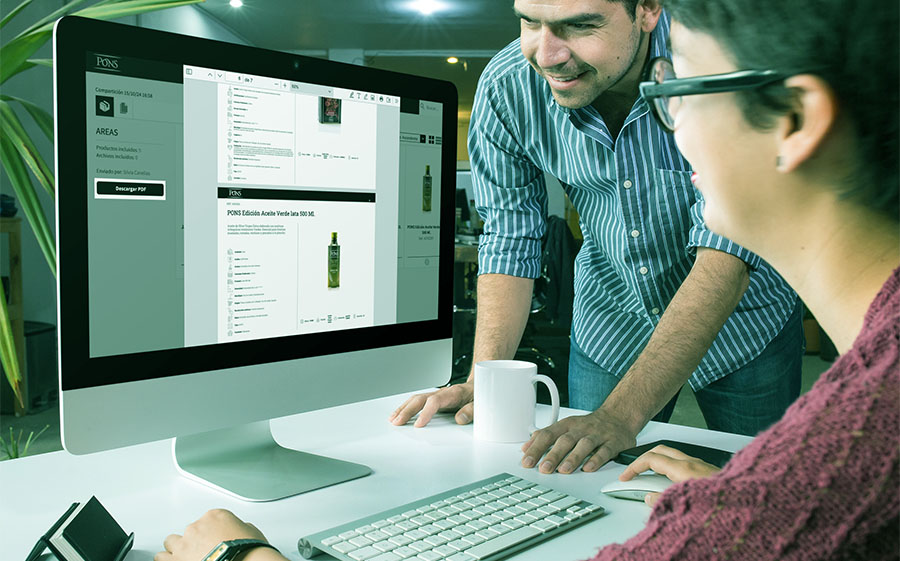
But to apply the strategies correctly it is necessary to optimise the sales process. To do this, there are Sales Enablement platforms that can help your team apply the upselling and cross-selling.

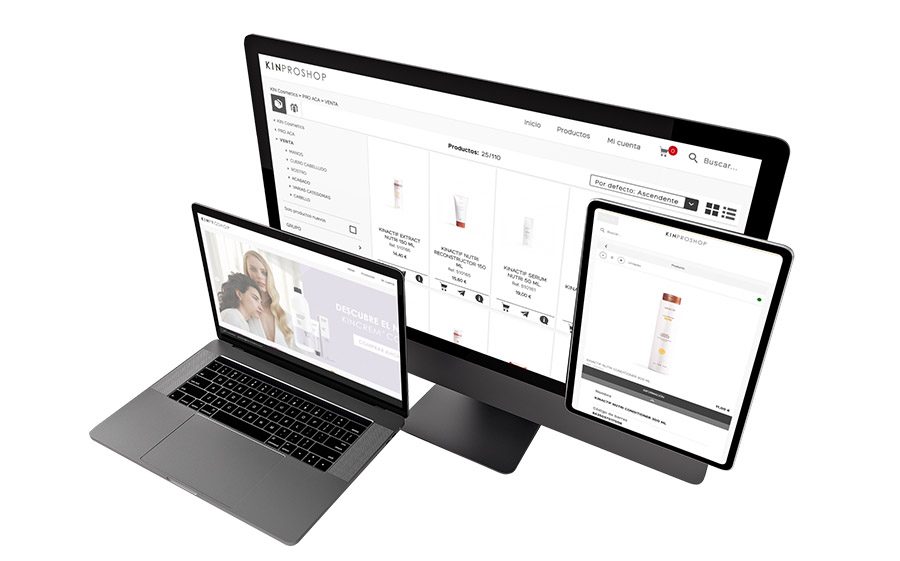
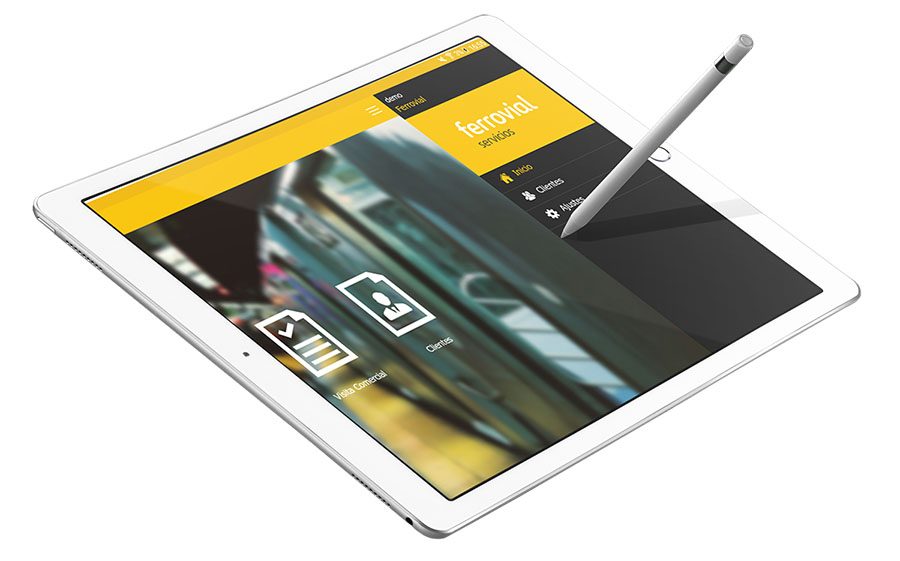
In the case of the Catalog Player platform, it offers different solutions that can help your salespeople apply these techniques:
- Interactive presentations that allow you to show the different products and their features in an attractive format
- Provides useful information about customers from the objective collection of data
- Through an AI system, personalised recommendations are made for upselling and cross-selling
- Tracking of the entire sales process that allows you to detect the best timing
- Sending personalised sales capsules after the sales visit with information of interest to the customer