









In an increasingly digitalised B2B environment, offering quality products is not enough: it is also crucial to adapt the way we sell to our customers' preferences.
We start by identifying what the current B2B buyer looks for in their purchasing experience and the implications for the selling company:
- Autonomy: 65-70% of B2B buyers prefer to place orders online autonomously. It streamlines sales cycles and improves satisfaction.
- Immediacy: the buyer expects quick responses and agile purchasing processes. It increases the likelihood of closing sales more efficiently.
- Simplicity: buyers look for clear, uncomplicated processes and channels. This point is key to converting purchase intent into action, reducing errors and fostering customer loyalty.

And we continue by analysing the channels that professionals value most when placing orders, especially recurring ones.
Ranking of the most valued B2B purchasing channels in 2025
1. Private B2B Ecommerce
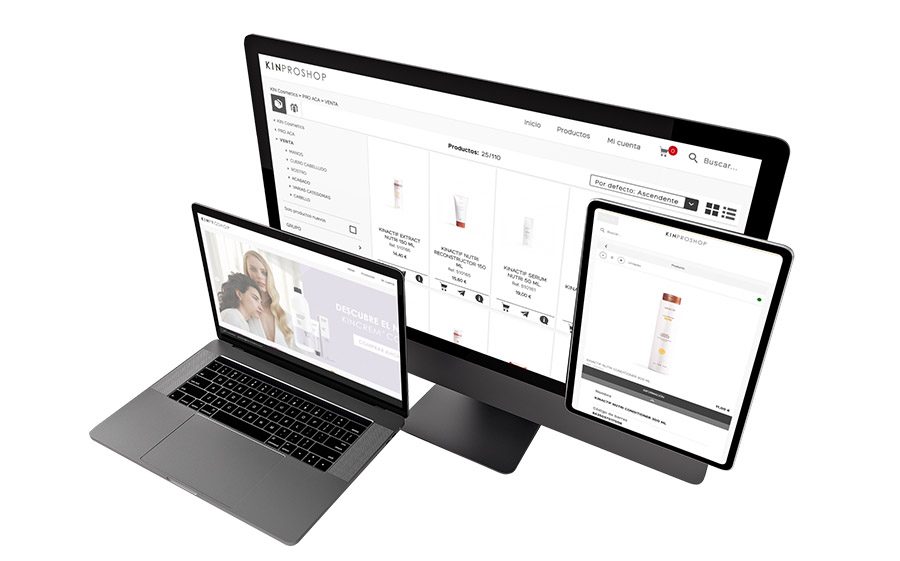
It is the most established channel. A private B2B ecommerce allows the customer to place orders autonomously and 24/7 from an exclusive web portal, offering convenience and speed without depending on business hours.
2. WhatsApp or Email
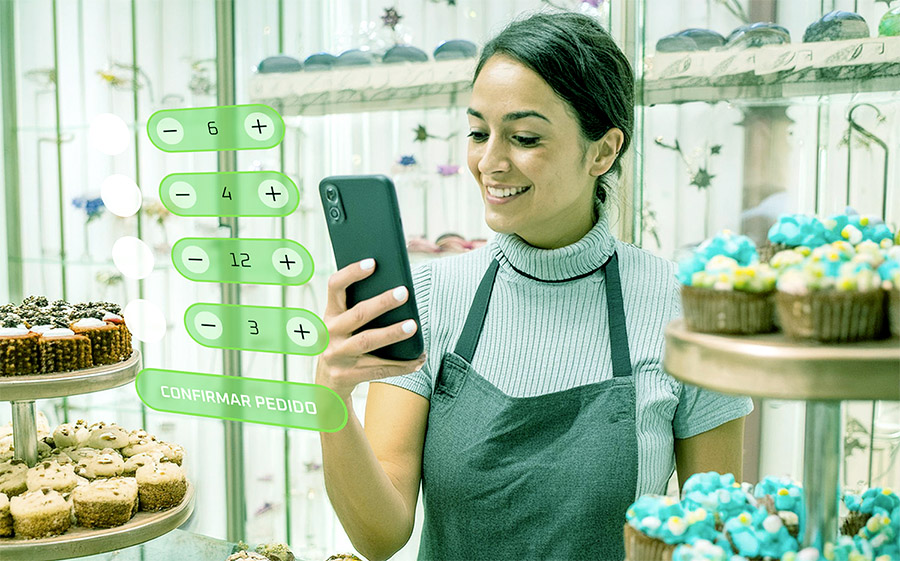
WhatsApp has become the closest and most agile channel for customers, but it coexists with Email in certain sectors. Both are used as assisted digital sales channels: customers use them to communicate with their sales rep, resolve queries, ask for recommendations and place orders.
But, above all WhatsApp, it has some drawbacks for the company: it is very informal and the sales rep must subsequently record the orders, leading to possible errors or oversights. Professionalising order management via WhatsApp e Email allows for quick responses and orderly control of requests, combining closeness with efficiency.

3. B2B mobile app
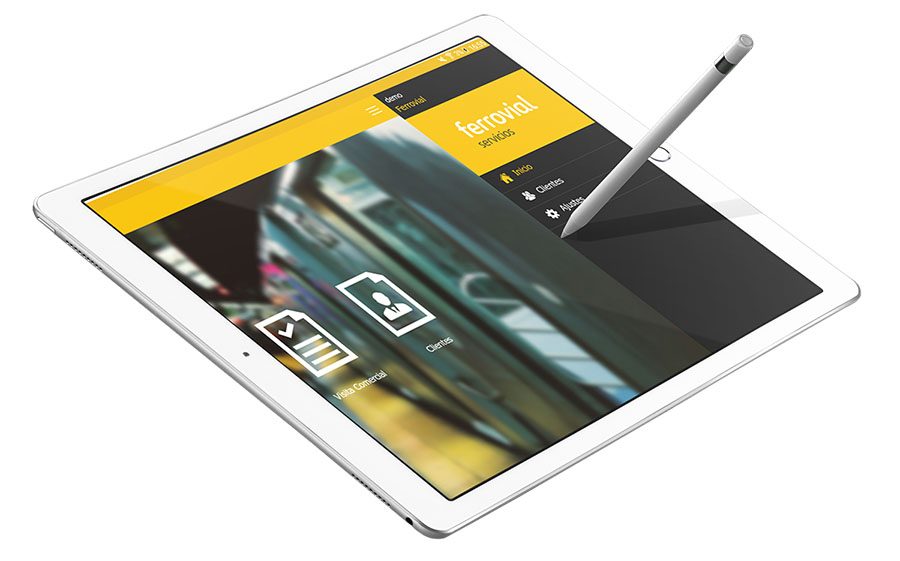
More and more professionals make purchases on the go, so mobile applications have become a key channel, representing the digital evolution of traditional web Ecommerce . From an app, customers can access the catalogue and place orders from anywhere, quickly and conveniently, making it a very user-friendly professional channel.
4. Sales representative
Although digitalisation is advancing, human contact remains essential, especially for large-volume purchases or complex negotiations. Hybrid sales teams combine the closeness of personal interaction with digital tools to streamline the process.

5. B2B Marketplaces
Podcasts marketplaces b2b are a growing channel in certain sectors, especially for secondary purchases and discovering new suppliers, as they offer speed and allow the customer to compare different options from multiple sellers.
6. AI and assisted purchasing
Podcasts virtual assistants and chatbots represent an emerging channel in constant growth. They accompany the customer during the purchasing process, resolving queries and offering personalised recommendations, improving the experience and reducing friction.
The key: multichannel integration
Adapting and integrating several sales channels not only improves company efficiency, but also gives customers the freedom to buy as they prefer. A multichannel approach is today a competitive advantage in the B2B market: it combines the best of the digital and human worlds, satisfying the expectations of an increasingly demanding buyer.

Choosing among all these channels, and implementing and managing them, may seem complex. But with digital B2B sales solutions such as CatalogPlayer, which offer a wide variety of digital B2B sales solutions, everything can be simplified.
In addition, CatalogPlayer connects all these channels on a single platform, ensuring that product, price and stock information is always synchronised. This improves the customer experience, and also increases the efficiency of your sales team, reduces errors and allows the company to adapt to the preferences and purchasing pace demanded by today's professional customers.