










We all want to feel cared for, valued and understood, and B2B customers are no exception. For this reason, when, for example, we receive an email that we detect has been mass-created it can generate rejection in us. We are surely talking about a communication that seeks to generate value and connection and, let's not forget, surely some kind of business relationship. If it interests the recipient, it can be successful, but if that is not the case, as is popularly said, it can backfire on us.
We all know that the larger the company or organisation interacting with us, the more difficult it is for any communication to be created especially by and for us. It is obvious that a newsletter from your insurance company or from that fashion brand you love will very difficultly be created for you, but it can be more or less fine-tuned. And it is that in a market in which buyers are increasingly informed, they expect companies to offer solutions tailored to their specific needs and a personal approach in every interaction.
Let's give an example. It is not the same to receive a generic Black Friday Offers email as an email created and designed specifically for a segmented group of loyal customers. Let's say, for example, a group for women aged 30 to 45 who have bought from that fashion shop over the last month.
Watch out for the Hello [name]!
Has it ever happened to you that a supposedly personalised email arrives with some error? In the B2B world, personalisation has to go far beyond the classic tactic of including the customer's name in an email or sending an automatic greeting on their anniversary. This resource, which can work, has to be accompanied by other valuable things. For all types of communication, we need to have a deep knowledge of each customer: their needs, challenges and long-term objectives. Whether they are more or less mass communications or one-way communications.

In an environment where business relationships can last for years and have a great financial impact in the long run, personalisation makes it possible to build trust, establish added value and consolidate customer loyalty. We have to flee from haste and short-termism, to focus on demonstrating that we focus on the customer's needs. To do this, personalising messages, and doing it in the best way, will always give us a better result.
Some tips for taking care of customers
Every company that strives to «take care» of its customers, adapting its interactions and offers to their specific needs and aspirations, not only improves its business relationship, but also creates a bond of trust and loyalty. Let's look at some of these points in more detail:
- Proactive and constant communication: It is important to maintain regular and proactive contact. And very important: not only when you want to close a sale or in times of crisis, but at all stages of the customer life cycle.
- Offering tailored solutions: We must show understanding of their needs with personalised proposals and specific adaptations to their real problems.
- Quality after-sales service: The relationship does not end with the purchase. Follow-up, after-sales support and the willingness to solve problems after the transaction are clear signs that the company cares about the customer's ongoing wellbeing.
- Active listening: Listening to and applying their suggestions and feedback shows that they are taken into account, which increases satisfaction and makes them feel valued.
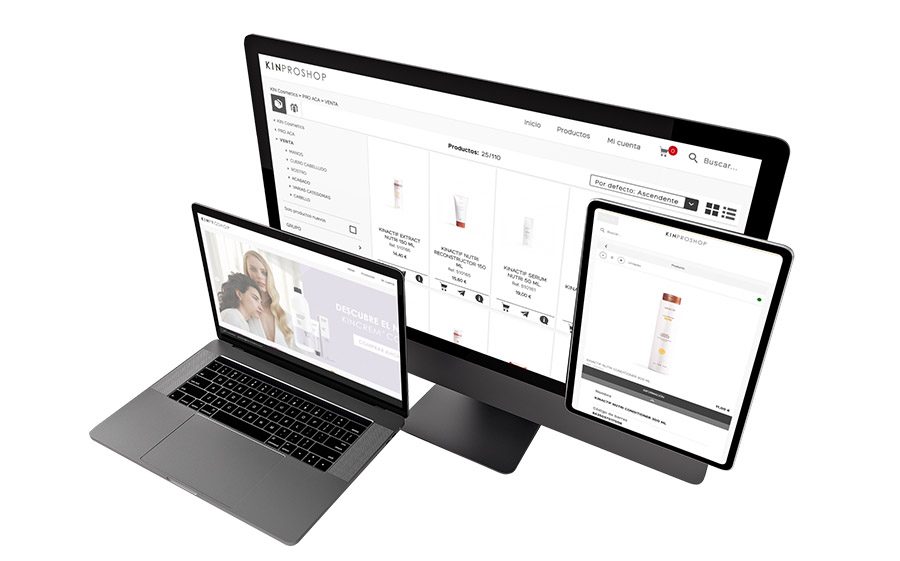
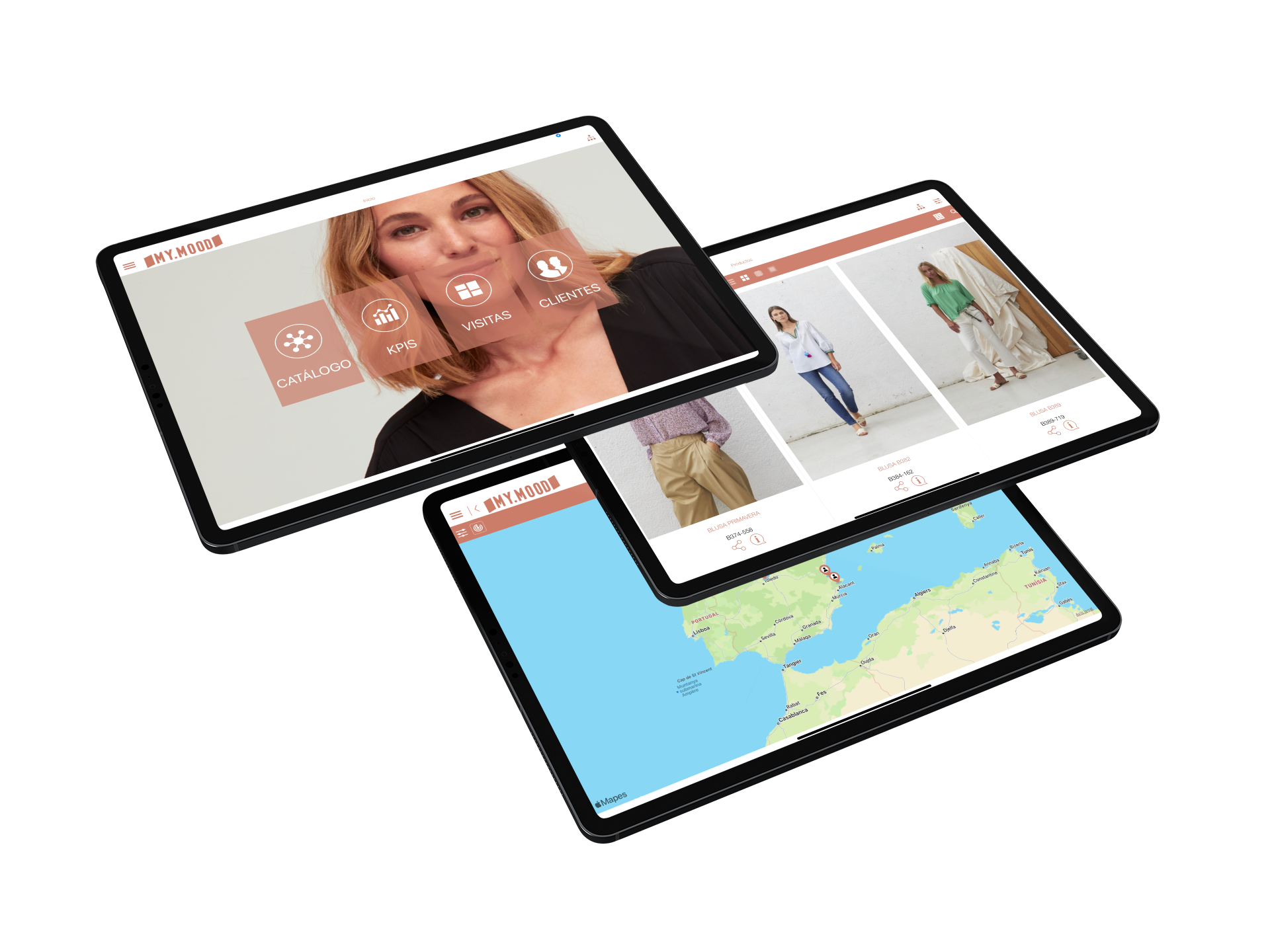
In the different CatalogPlayer solutions, we make segmentation and personalisation tools available to you, so that the communications and campaigns aimed at your customers are as effective as possible, in order to help you build that long-term relationship.