













Studies show that more than half of customers who interact with a brand are willing to switch companies after just two bad experiences. Of course, a “bad experience” can be defined in many ways and some mistakes are more serious than others.
But bear this in mind: if a customer tries to contact your company and it takes more than 20 seconds to have any kind of interaction, the experience you are offering is already worse than that of 80% of companies.
We must understand that the world has changed and that the B2B sales environment is increasingly international and competitive. It is not about being able to meet all the needs of all customers instantly, but about making them feel important.
To do this, companies must undergo a change of mindset. Now, more than ever, they must put the customer at the centre. This is what we know as: Customer Centricity.

What is Customer Centricity?
By definition, Customer Centricity means a way of working with a customer focus. It is a business model that always seeks to foster a positive customer experience.
According to Sales Intelligence Blog, the Customer Centricity it requires a change of perspective; moving from the point of view of the company itself to the point of view of customers and leads.
The importance of Customer Centricity lies in pleasing the customer at every encounter, from face-to-face dealings to an email message; and without forgetting the contact they have with the brand on their own initiative, for example, through digital content.
In general, Customer Centricity has a lot to do with the ability to build the trust of customers and prospects as quickly and effectively as possible.
How can we apply Customer Centricity?
To foster a Customer Centricity model, a company must not only enhance customer service, but also foster a customer-oriented perspective throughout the entire decision-making process.
And doing so proves effective. 84% of companies that make an effort to improve their customer experience state that they have increased their revenue.
Firstly, to apply a Customer Centricity model effectively it is essential that the company's departments are aligned, with common objectives focused on the customer. Enhancing communication between teams, aligning the sales strategy with the objectives of the other departments, unifying the sales message… These are ways to ensure a solid foundation on which to build a Customer Centricity model.
In relation to this, a company's Customer Centricity objectives should not only involve the moment of the final purchase, but the entire customer journey or Customer Journey.

Customer Centricity throughout the Customer Journey
The Customer Journey is the path a customer takes through the different points of contact and interaction with the company. Ensuring that Customer Centricity objectives are met at all stages of this journey is essential to ensure the engagement.
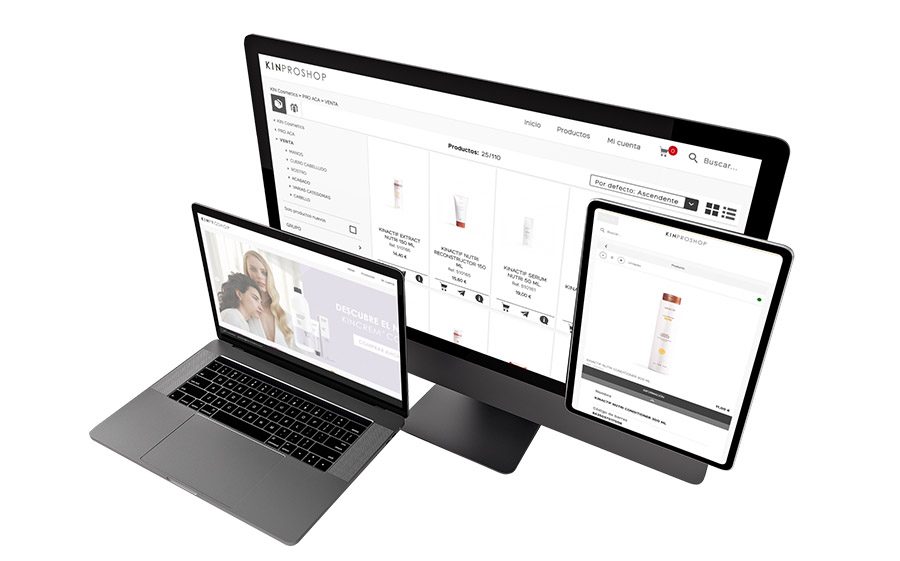
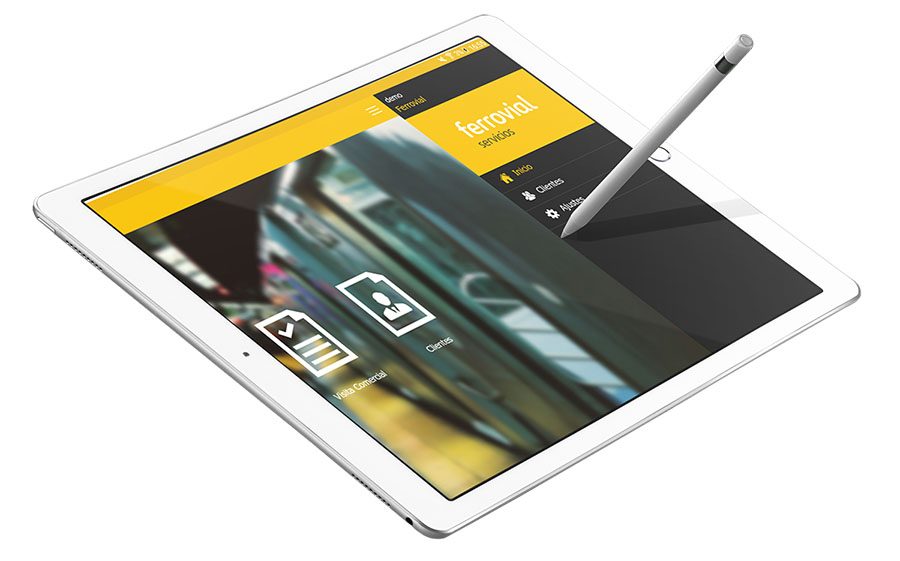
A good way to achieve this is through a digital tool that allows the customer to navigate without difficulty through the different stages of the purchasing process. Thus, not only is the contact the customer has with the sales team positive, but they can also take actions on their own initiative after the sales visit. They have more information and greater control over the sales process, which gives them greater security and strengthens their trust in the company.
Customer Journey Module: how does it work?
In this video we present a Customer Journey module within the CatalogPlayer platform that facilitates the relationship of B2B companies with their customers. In the video you will better understand how a Customer Journey management tool works and how it can help you strengthen the relationship with the customer.