










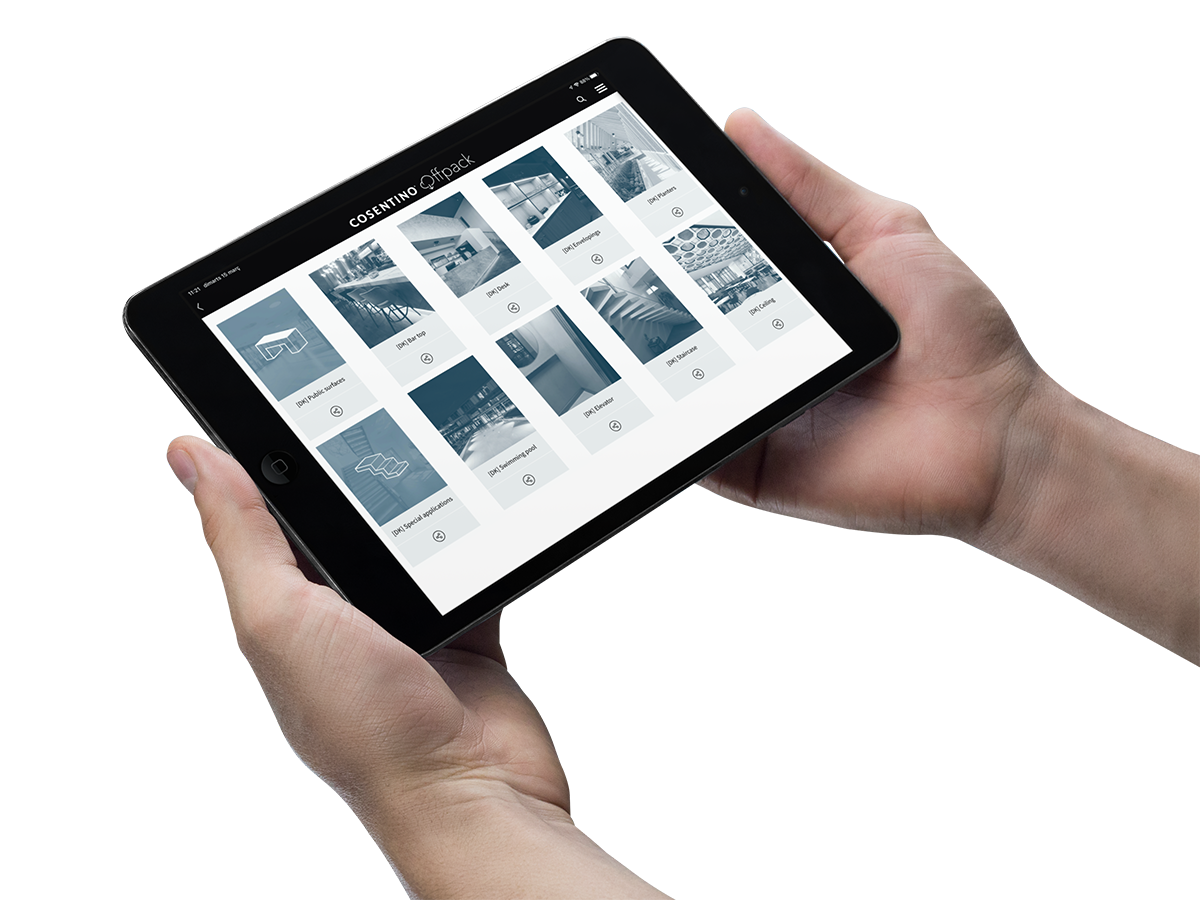
With the rise of new technologies, we have witnessed how B2C interactions have become increasingly personalised. In e-commerce, web and social media, users receive adverts tailored to their previous searches, their interests, their future plans…
In the context of B2B interactions, these innovations often take longer to be adopted. However, in interactions between companies, it is becoming increasingly important to segment the sales pitch and offer each customer a certain degree of personalisation.
Aligned discourse, but also segmented
While it is true that an essential characteristic of a company's sales pitch is that it must be consistent with the brand image, segmentation of the discourse is also important.
That is, although it is advisable for the sales team to be aligned in the presentation of products and services and the sales pitch, salespeople should be able to do so by adapting to each customer.
That is, for example, salespeople can have the same sales pitch to hand to respond to customers' doubts, but not all customers will have the same concerns.
Therefore, segmentation is as important as unification.

Digital transformation and the importance of personalisation
But why is it so important to adapt the customer experience we offer to this new reality?
With the growing rise of digitalisation, the preference for e-commerce has increased and converges with in-person and remote interactions. Now the customer wants more autonomy, and wants it through quick and simple solutions. And to be able to achieve this, it is essential that we adapt to their needs.
Something very similar applies to sales teams. Nowadays, salespeople want to offer the customer an excellent service, and, at the same time, they prefer to do so with easy-to-use and intuitive tools rather than with long training courses.
That is, we find ourselves at a moment when personalisation must consist of offering, to both salespeople and customers, the necessary tools to adapt the purchasing experience to each case.
AI and Machine Learning for personalisation
To achieve this high degree of personalisation that today's customer wants, our best ally is Artificial Intelligence and Machine Learning.
The great advantage of software that applies AI is that this personalisation is carried out automatically and precisely, as it is based on the constant collection of data. In turn, Machine Learning software learns from this data to make increasingly precise predictions and recommend to the customer exactly what may interest them.
In the case of B2B sales AI can learn from best practices salespeople's interactions, to then offer content and proposals to the user automatically. It can:
- Offer the salesperson recommendations to prepare the visit according to the customer's profile and/or previous visits with them
- Recommend content and information that adapt to the customer and the interests they show during the visit
- Send the customer a sales capsule with the content that has been of interest to them and that could be after the visit
Cross-departmental collaboration
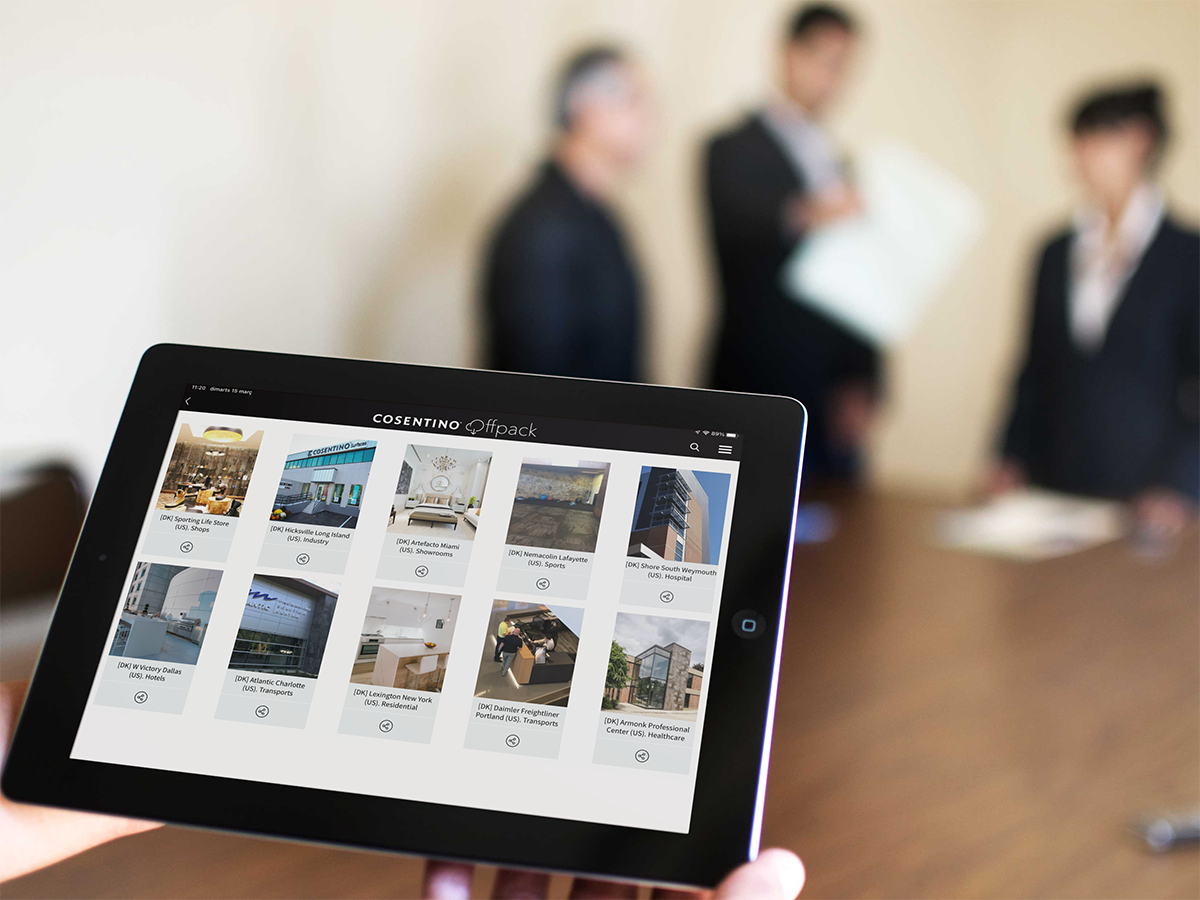
Finally, it is worth highlighting something essential to offer an excellent personalised experience: collaboration between Marketing and Sales.
For this, a Sales Enablement platform such as Catalog Player, is recommended, to achieve a fluid and constant exchange of information between departments.
Collaboration between departments enhances the results that AI software can achieve and achieves more effective content personalisation, because:
- The marketing department can select the best content and make it easily available to the sales team
- Marketing can optimise content based on updated data on results and customers
In summary, the constant monitoring of the content shown to the customer, both during visits and on their own, allows for a much more personalised experience.
Marketing has the information to create effective content to close more sales, while AI software is capable of recommending the one that best suits each case automatically.