










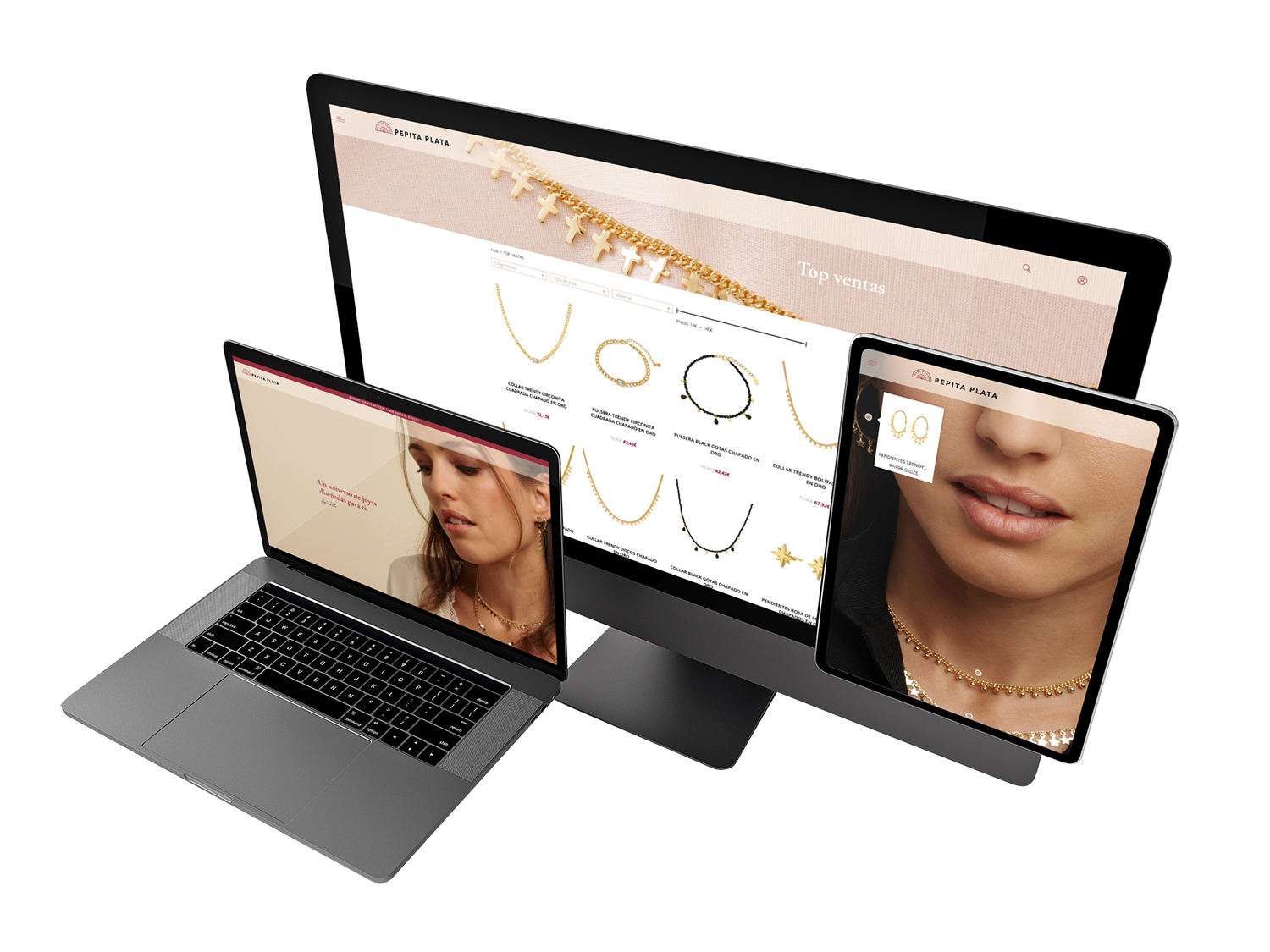
Have you thought about how you could benefit from expanding the potential market of your business?
The difference that separates B2B from B2C businesses had always been very clear: the audience they target. While B2B (business to business) refers to companies that offer their products and services to other businesses, B2C (business to consumer) includes all those that offer their services to end consumers.
However, as with many other things, in the era of digitalisation the barriers are blurring and this distinction is no longer so clear.
Do you know about B2B2C?
The relationship between B2B and B2C companies was also clear before, while the former was largely responsible for production and ensuring that other companies had the necessary products, the latter handled distribution to the end consumer.
However, we have recently witnessed how the union between producers and distributors has given rise to a new type of business: B2B2C.
B2B2C appears as a new business model that merges both functions (B2B and B2C) and represents a great growth opportunity for a company, as it diversifies the clientele it targets, while also expanding its market presence.
So, if you have a B2B business, you might be interested in expanding it to B2C.
The advantages of expanding your business to B2C
If you are considering expanding your B2B business to B2C, you will be interested in learning about the advantages of this transformation.
With B2B2C you have the ability to reach the end consumer directly, without obstacles. These are the implications for your business:
- You can reach a wider audience. Diversifying your clientele means that you can manage, from your own business, the possibility of reaching audiences you had not considered.
- Positioning yourself in the market. Being present throughout the entire chain positions you in your market, as from your business you guarantee a demand that you yourself can supply.
- Strengthening the relationship with customers. Without intermediaries, the relationship with all of them is more direct and you can control the customer experience much better. The result of your new position in the market and of building stronger relationships with customers would be:
- Greater commercial stability with recurring purchases from your customers (existing and new).
- Greater profitability of the business.
But now the question is: How can you expand your business to B2C?
What has enabled this alliance between producers and distributors and the consequent fusion of both models (B2B and B2C) has been the development of the digital world.
Currently, thanks to the development of e-commerce and new logistics, there are numerous traditionally B2B companies that have been able to also offer their products to end consumers, and not only to other companies.
And for this expansion, the implementation of new digital channels in which both audiences are present, both companies and end consumers, has been essential.
There are certain tools that can help us carry out this transition.
ERP-ecommerce B2C connectors:
An ecommerce connector with ERP synchronises all key data to ensure smooth management and take advantage of all the benefits of your company's management software: products, families, stocks, orders, invoices, etc.
The connectors facilitate the transition from in-person or in-store sales only to online sales. It is a digital solution that aims to help in the transformation of commercial relationships. So they also allow traditionally B2B businesses to generate their own direct-to-consumer sales channel.
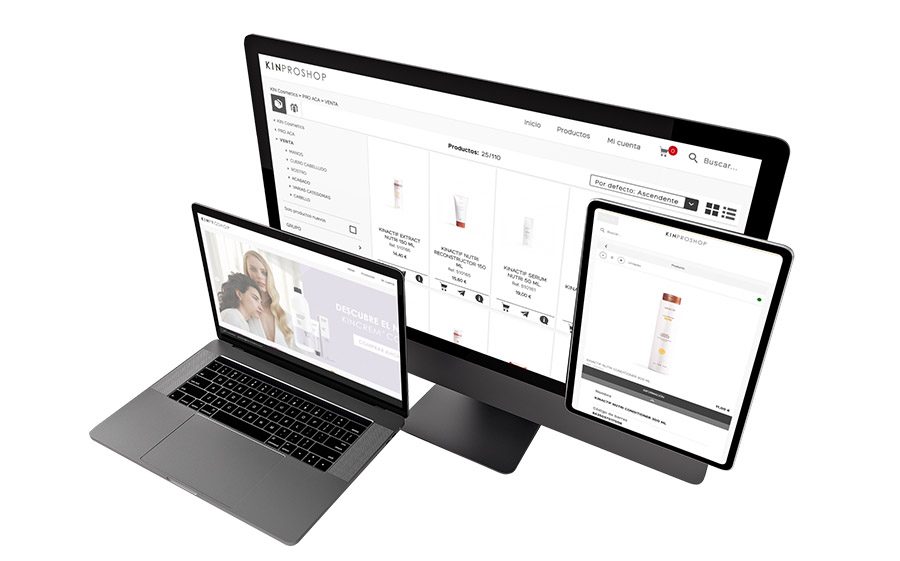
Within CatalogPlayer's Sales Enablement platform, we highlight our product CP ecommerce B2C:
It allows connecting the data from the company's ERP (for example: Sage200, Sap Business One, Microsoft Dynamics) to a ecommerce website new or existing with the main sales CMS on the market (Prestashop, Woocommerce – WordPress, Shopify, Magento, etc).
Advantages:
- Savings: The integration of data between systems generates a reduction in costs and greater control and reliability.
- Speed: Easy connector implementation that speeds up ecommerce launch.
- Integration: The necessary ERP data is automatically inserted into the ecommerce
- Bidirectional: Orders placed through the website are also recorded in the ERP