









Although every company is unique and every business has its own objectives, there are needs that most companies share. Currently digital transformation is the key to covering these needs in the most effective way.
Do solutions like CRM and Sales Enablement sound familiar to you? Do you know the difference between the two and how they can help you?
We'll tell you!
What is CRM?
The CRM, that is, Customer Relationship Management, consists of those systems used to manage the company's relationship with the customer, always with the aim of ensuring their maximum satisfaction.
CRM systems allow customer information to be catalogued and managed. They also often include tools for scheduling visits or assigning certain services to specific customers.
CRM is vital for the sales team. And gathering useful information about customers is a basic tool for salespeople to be able to carry out their work in the best possible way.

CRM and Sales Enablement
For its part, Sales Enablement refers to a more global strategy, which includes both CRM and other systems, such as the CMS (Content Management System) which relates to Marketing functions and content creation, or the DAM (Digital Assets Management) which is based on optimising the company's internal management.
A good way to define Sales Enablement is that it is a unified process whose final objective is for the sales team to have all the resources necessary to maximise sales profits.
Thus, within Sales Enablement platforms there is room for CRM processes and, in fact, these can be integrated with other resources.
Sales Enablement: integrated vision
Thus, one of the advantages of well-designed Sales Enablement platforms is that they allow the functions of different departments to be optimised:
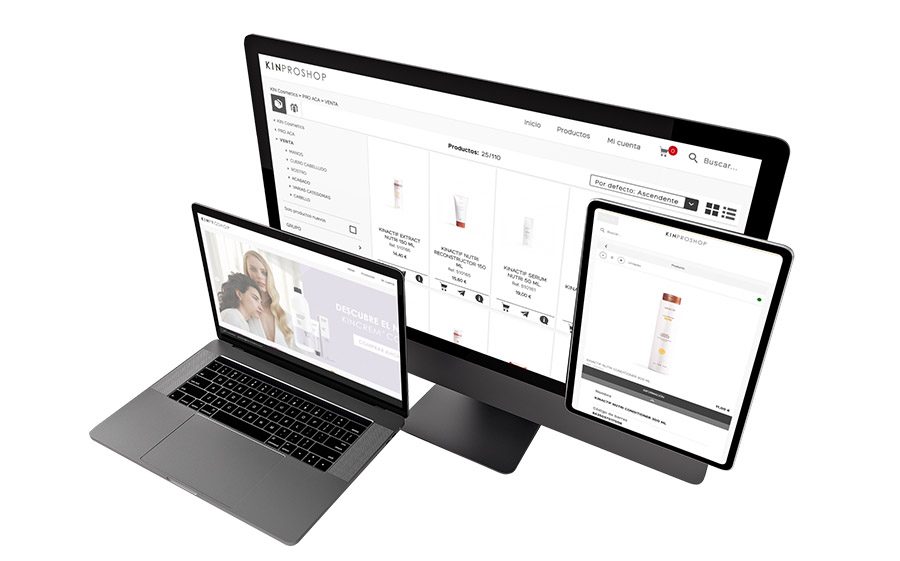
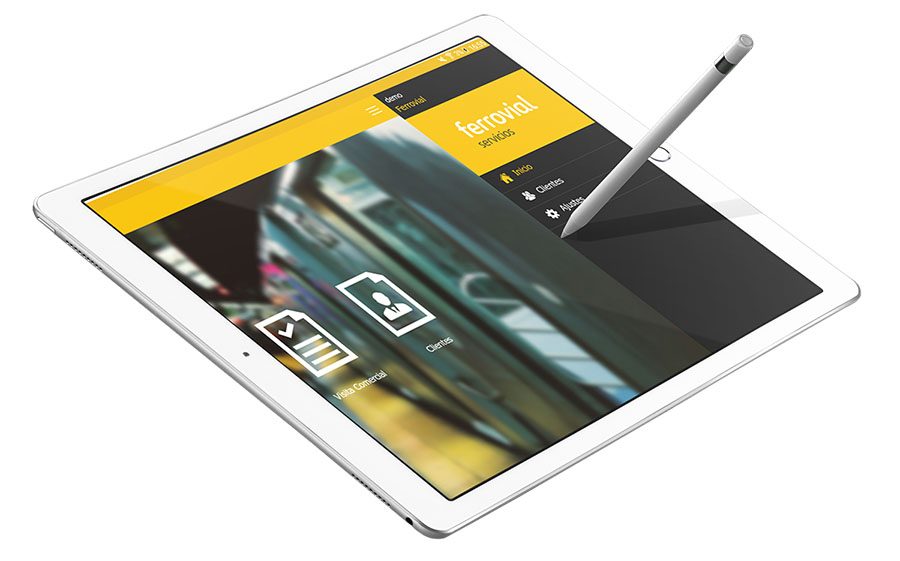
- Sales: A Sales Enablement platform such as CatalogPlayer's allows an interactive and always up-to-date catalogue to be presented to the customer. In addition, the platform gathers information while the visit is taking place.
- Marketing: A Sales Enablement platform can be very useful for the marketing department, which can create content based on the metrics obtained from sales. This, in turn, allows the sales team to show optimised, quality content to the customer.
- Management: This constant gathering of metrics and communication between departments helps the management team to have a clear view of the company's situation and the customer's needs.

Which strategy is better for your company?
However, which tools you should apply to your company will depend on the specific characteristics and objectives of the company. Although maximising profits and digitalising processes are a constant, there are differences that can make one system or another more advisable.
For example, in a very small company, a well-organised Excel spreadsheet and a calendar could be enough as a CRM system. However, the larger the company, the more complex management becomes, and then more complex systems are necessary that allow good management of the entire customer portfolio.
When it comes to a multi-product or multi-service B2B company, it is interesting to have a Sales Enablement system. The implementation of an interactive catalogue such as CatalogPlayer's would be the best option for B2B companies that work with large amounts of information and that want to apply the metrics obtained from sales to all departments.
And if, for example, your company already uses CRM systems, but you would like to optimise processes further, it would also be interesting to introduce a Sales Enablement platform, as this allows you to make the most of the CRM, expand it and at the same time add other resources that communicate with the pre-existing systems.
Digitalisation and evolution
It is important to remember that the digital solutions we can apply to our company are not a fixed thing. Digital transformation is a constantly evolving process throughout society and a continuous review of the new solutions we can apply to our company is highly recommended.
Therefore the most advisable tool will always be the one that not only provides a specific solution, but also allows us to continue growing as a company.