









The world of B2B sales is undergoing a profound transformation. New buying habits, the boom in artificial intelligence, the increase in decision-makers in purchasing processes and the digitalisation of the buyer are completely redefining how companies sell and how salespeople work.
The 2026 is shaping up to be a turning point: organisations that embrace these trends will not only sell more, but will sell better, with smoother cycles, more relevant interactions and more strategic sales teams.
Below, we analyse the five major trends that will define the year that is just around the corner… and how the role of the salesperson will change in this new landscape.
1- Generative Artificial Intelligence as a driver of sales productivity
In 2026, generative AI will be fully integrated into daily sales tasks. It will no longer be a parallel tool, but a constant copilot that drives efficiency and personalisation.
Sales teams will use it to:
- Prepare meetings with smart context summaries.
- Create hyper-personalised proposals and sales communications.
- Prioritise accounts based on real buying-intent signals.
- Generate scripts, content and demos tailored to the client's profile.
Salespeople stop spending hours on administrative or mechanical tasks. AI frees up time for what really matters: relationships, analysis, strategy and value-driven conversations.

2- The rise of buyer enablement: facilitating the purchase over selling
The B2B buyer wants to move forward with autonomy, clarity and speed. That is why buyer enablement —all the resources that make it easier for the client to make decisions with less friction— will be essential.
Examples:
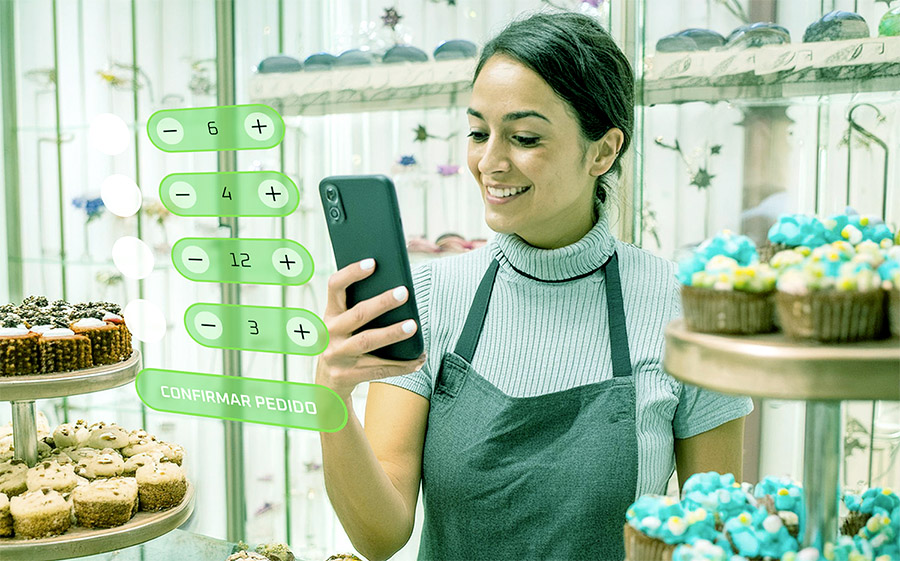
- Interactive micro-content (calculators, simulators, short videos).
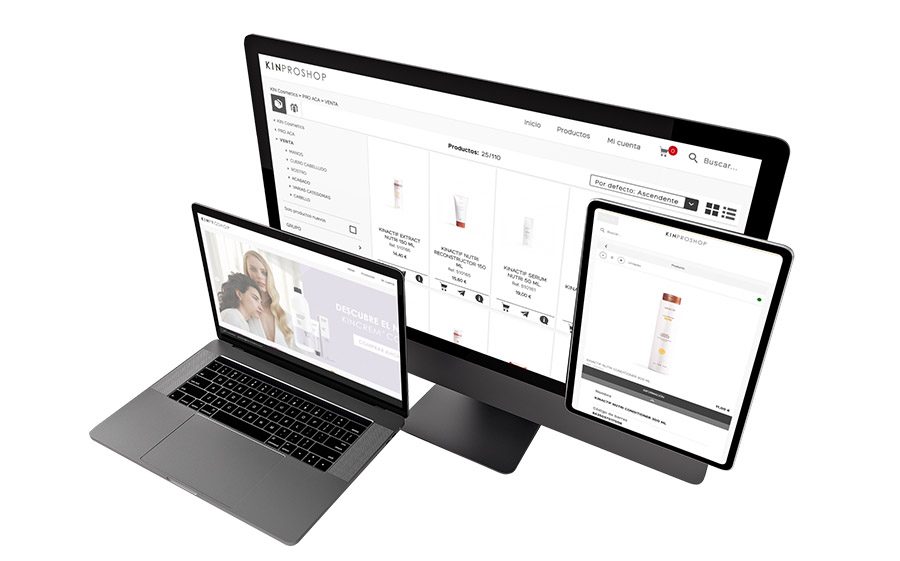
- Self-service platforms where the client can try before buying.
- Explanatory materials tailored to each decision-maker profile.
The salesperson becomes a facilitator of the process, rather than a pusher. They become the person who guides the client through their own internal steps: approvals, technical doubts, risks, budget, compliance. Their role is to unblock, not to insist.
3- Social Selling 3.0: from publishing content to building communities
The social selling is evolving towards a model where influence and credibility are the key assets. Buyers want to learn from people, not from corporate messages.
Trends:
- “Corporate creators”: salespeople and internal experts with their own voice and authority.
- Private groups (Slack, Discord, LinkedIn Groups) as spaces of trust.
- Continuous and authentic educational content.
The salesperson has the opportunity to have a personal brand in itself. Build relationships even before a commercial opportunity exists. Share insights, take part in industry debates and position yourself as a trusted advisor. By the time the moment to buy arrives, trust already exists.

4- Multichannel orchestration and intelligent automation
We have to assume that buyers may be saturated. In 2026, effective sales will not be measured by the volume of messages, but by the quality and coordination between channels.
Typical models:
- Cadences that combine email, whatsapp, LinkedIn, personalised videos, calls or even SMS.
- Interactions based on behavioural signals, not rigid calendars.
- Automation that respects the human touch when it is decisive.
The salesperson becomes a multichannel strategist. They learn to read which channel each buyer prefers and when. Their job is no longer about “making 100 calls”, but about creating experiences that move the conversation forward.
5- Total coordination between marketing, sales and CS through shared data
The key trend in 2026 will be for the whole organisation to share a single view of the customer. Data will no longer be fragmented between marketing, sales and customer success, but concentrated in integrated systems that make it possible to see the full value cycle.
This makes it possible to:
- Detect expansion opportunities and the risk of customer loss.
- Personalise messages and cadences according to the customer's real stage.
- Make forecasting, or sales forecasting, more accurate.
- Improve the buyer's experience at every interaction.
Teams will sell better because they will work with a complete understanding of the customer, from the first click to renewal.

2026, a key year
2026 will mark a before and after in the way sales teams operate. The organisations that transform their sales teams into consultative, technologically augmented units aligned around the buyer's experience will be the ones that lead B2B growth.
It is not just about selling more, but about working better as a team: with your own data, coordinated processes, intelligent tools and an absolute focus on making the customer's decision-making easier.
The sales teams of the future win not through volume, but through clarity, coordination and value delivered.