








For years, the team sales B2B has been changing tools: from a briefcase full of paper catalogues, to a laptop, and from there to a tablet. In 2026 the question is no longer whether you should sell with a tablet, but with what combination of tools and mindset you really sell.
Because technology alone doesn't sell. What sells is how it is used.
The tablet is the minimum
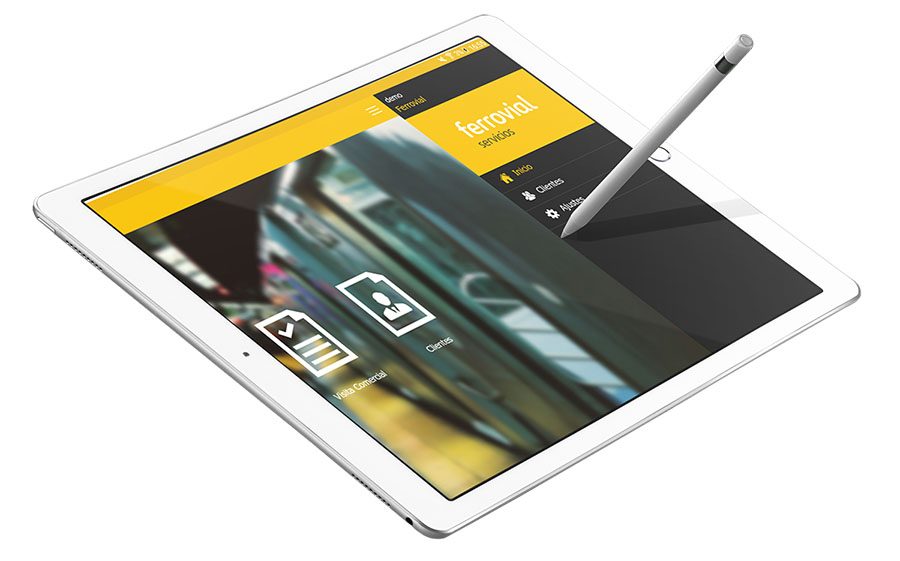
Currently, going out to sell without a tablet (or an equivalent device) is almost like doing so without a business card twenty years ago. The tablet has become the operational hub of the mobile B2B salesperson as it allows you to:
- Access the CRM in real time.
- Check prices, promotions and updated availability.
- Show digital catalogues, videos or demonstrations.
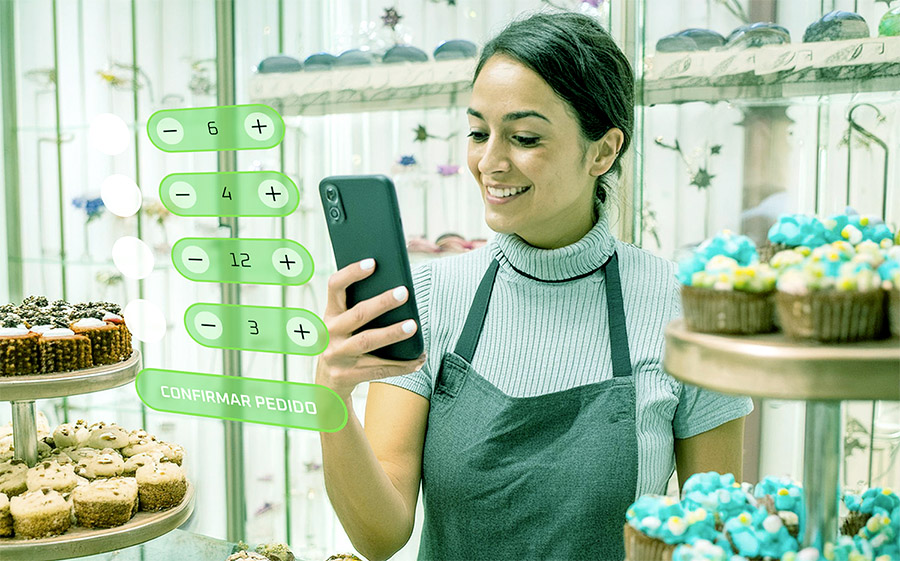
- Generate orders or quotes on the spot.
- Sign documents digitally in front of the customer.
But having a tablet doesn't guarantee a good sale. It only prevents you from starting at a disadvantage.

Selling with data
One of the big changes is that the salesperson no longer depends on what they remember, but on what they can obtain at that moment. This allows for more professional and personalised conversations. The customer perceives that they are not talking to someone who “comes to sell”, but to someone who understands their business and who has prepared the visit properly. And when any doubt arises, they have a «lifeline» at their disposal. And it is that in the tablet they carry all the relevant information:
- Customer purchase history.
- Previous issues.
- Agreed commercial terms.
- Open opportunities.

The right question is no longer “do I sell with a tablet?”, but “do I really make the most of everything technology offers me?”. Because the tablet is the interface, but there is much more behind it. In recent years, many salespeople already sell with the help of artificial intelligence, through multiple available aids:
- Product suggestions based on the customer's profile.
- Alerts for risk of losing accounts.
- Recommendations on the best time to visit.
- Route optimisation to reduce time and costs.
The risk: selling while looking at the screen
One of the most common mistakes is turning the tablet into a barrier. If the salesperson spends more time looking at the screen than at the customer, technology works against them.
In 2026, selling well with a tablet involves:
- Using it as support, not as the main focus.
- Maintaining eye contact and conversation.
- Knowing when to show information and when to listen.
- Mastering the tool so that it doesn't show that you are “checking”.
- Selling remains human. Technology merely accompanies it.

So… what do you sell with in 2026?
In 2026 you don't sell with just a tablet. You sell with:
- Well-integrated digital tools.
- Up-to-date and accessible data.
- Properly understood artificial intelligence.
- Solid sales skills.
- Ability to adapt to the customer and the context.
The tablet is essential, yes. But it is only the medium. What makes the difference is still the salesperson: their preparation, their attitude and their ability to add value.

And with what specific tool is all this brought down to earth?
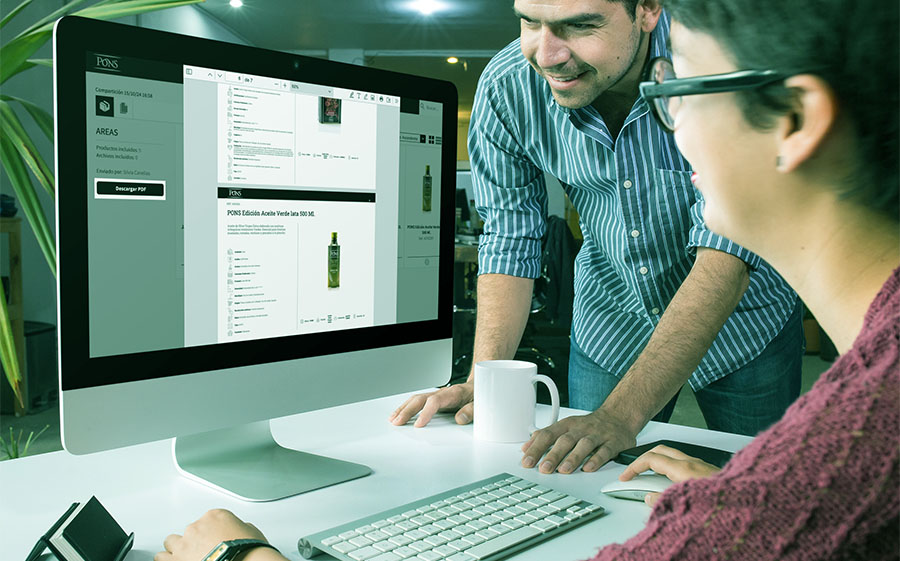
Talking about selling with a tablet in 2026 is not just talking about hardware, but about what software accompanies the salesperson on the street. This is where solutions such as Catalog Player take on special meaning.
Catalog Player responds precisely to many of the real needs of the salesperson on the move:
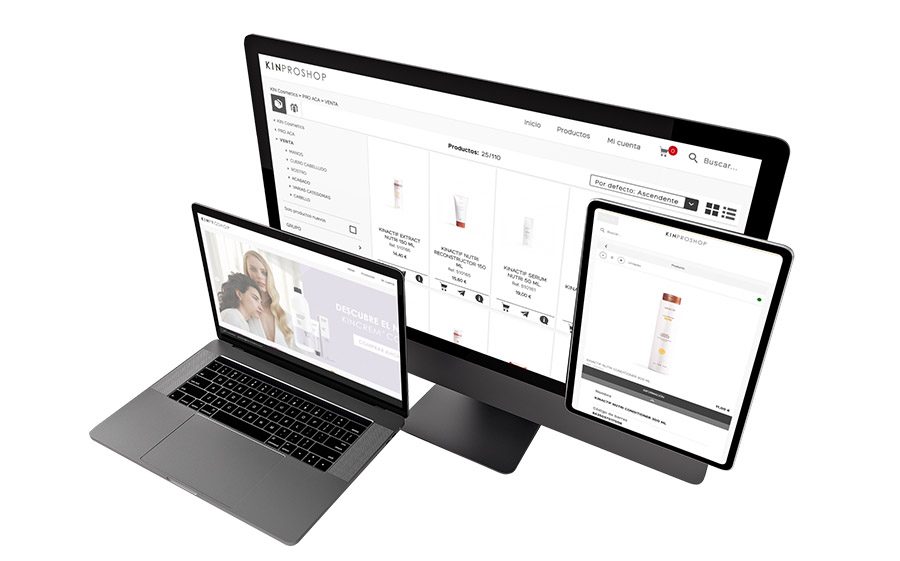
- Digital catalogues always up to date, without depending on paper.
- Visual and dynamic presentations, adapted to each customer.
- Access and full offline functionality.
- Integration with the sales process: show, argue and sell in a single flow.
- Professional experience consistent with the brand image.
It is not just about showing products, but about telling the value proposition well, guiding the conversation and making it easier for the customer to understand, compare and be able to decide.
Technology at the service of the salesperson, not the other way around
Tools like Catalog Player work when they are designed for the salesperson's day-to-day: fast, intuitive and geared towards selling. When technology disappears and the conversation flows, the salesperson regains control of the visit and tthe tablet becomes a real ally, not a distraction.
In a context where the customer expects immediacy, personalisation and professionalism, having a solution of this kind makes the difference between improvising or selling with method.
Selling better is not about having more devices, but about knowing what to show, how to show it and when to do so.